
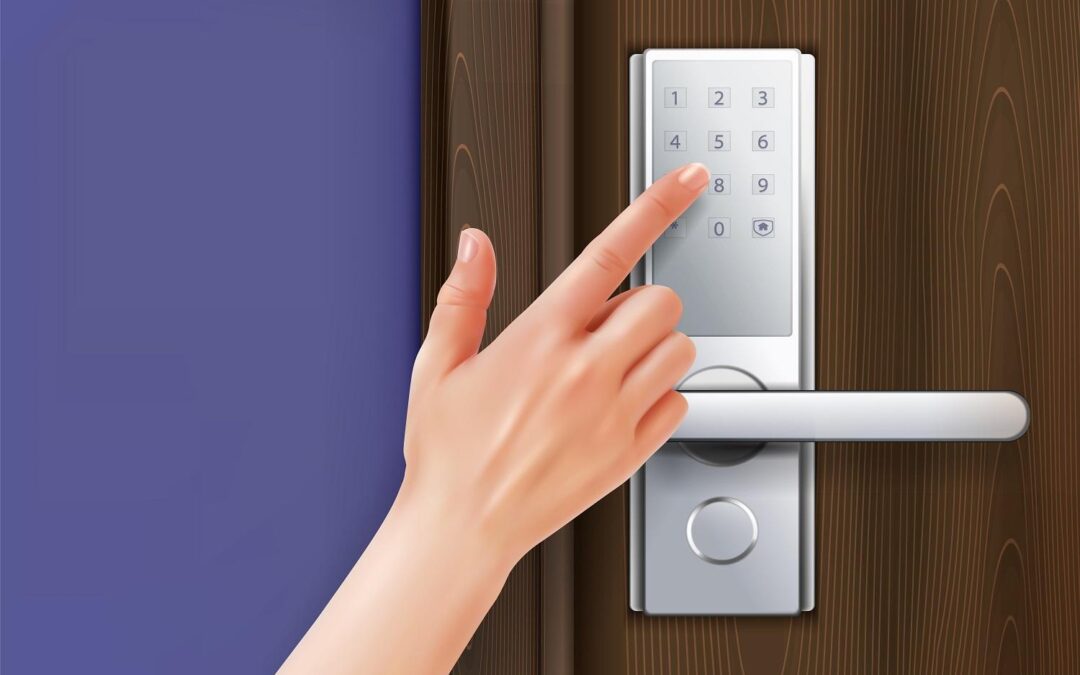
If you’re planning to shop digital door locks, it’s easy to get caught up in flashy features or modern designs. However, digital door locks are not all created equal, and a poor choice can lead to usability frustrations, security risks, or costly retrofitting. Making an informed decision means evaluating the lock in context, how it will be used, who will use it, and how it integrates with your broader security setup.
Authentication Method Matters More Than You Think
Not all digital locks use the same method of entry. Some rely on PIN codes; others use RFID cards, fingerprint scanning, or mobile apps. While it’s tempting to choose based on novelty, consider who needs access. A high-traffic home or shared office may benefit more from PIN codes than biometric scans, which can be inconsistent in wet or dusty conditions. The best choice balances convenience with reliability.
Fail-Safe vs Fail-Secure: Know the Difference
Digital locks require power, which introduces a critical question: what happens during a power failure? Fail-safe models unlock automatically when power is lost, which may be useful for emergency exits but risky for main entries. Fail-secure locks remain locked, preserving security. The right choice depends on where the lock is installed and whether safety or access is the greater priority in a given scenario.
Installation Compatibility Is Often Overlooked
Digital locks often need specific door thicknesses, clearance, or latch configurations. Many buyers overlook this, leading to last-minute modifications or returns. Before making a purchase, check whether the unit supports your door type and if additional components, like mortise locks or adapters, are required. This reduces installation time and prevents compatibility issues.
Security Is in the Ecosystem, Not Just the Device
The lock may be digital, but it’s still part of a broader mechanical system. Its effectiveness depends on the strength of the door, the quality of the strike plate, and the lock’s resistance to physical tampering. Some models are easily defeated with tools despite having advanced features. Choose a unit that has undergone independent testing and offers detailed security specifications.
Maintenance and Override Access
Every digital lock should have a manual override, whether a physical key or a hidden backup method. Battery life, firmware updates, and mechanical wear also matter. When you buy digital door locks, prioritise models with transparent maintenance guidelines and accessible support.
To shop digital door locks wisely, go beyond product descriptions and evaluate them as part of your overall security framework.
If you want guidance choosing a lock that performs in practice, not just on paper, explore the proven options at Doric New Zealand.