
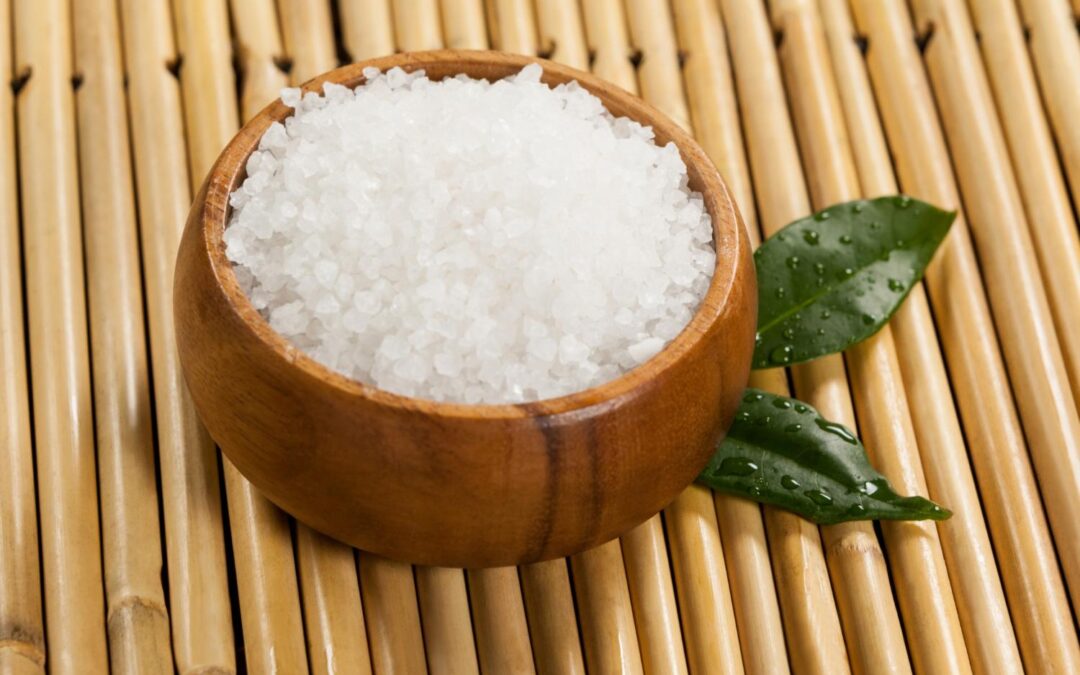
White sugar has been a staple ingredient in kitchens worldwide for centuries. Its origins trace back to ancient times when sugarcane cultivation began in tropical regions. Over time, the refinement process evolved, producing the crystalline, pure form we know today. Historically, it was a luxury item reserved for the elite, but industrial advancements have made it accessible to households across the globe.
How White Sugar Is Produced
The production of white sugar involves extracting juice from sugarcane or sugar beet. The liquid is then purified, boiled, and crystallised. During this process, impurities and molasses are removed, resulting in fine, white crystals. This method ensures consistency in texture and flavour, making white sugar a reliable choice for baking and cooking.
Nutritional Profile
White sugar is predominantly composed of sucrose, a type of carbohydrate that provides quick energy. It contains minimal vitamins or minerals, making it a source of “empty calories.” While it offers a rapid energy boost, moderation is essential, as excessive consumption may contribute to health concerns such as weight gain or dental issues.
Uses in Cooking and Baking
White sugar is valued for its versatility in culinary applications. It not only sweetens desserts and beverages but also enhances texture and colour. From cookies to sauces, its ability to caramelise under heat allows chefs and home cooks alike to create rich flavours and visually appealing dishes. Its neutral taste ensures that it complements rather than overpowers other ingredients.
White Sugar and Health Considerations
While enjoying sweet treats is part of a balanced lifestyle, awareness of consumption levels is crucial. Excessive sugar intake has been linked to a variety of health issues, including increased risk of diabetes, obesity, and heart disease. Understanding how to incorporate sugar mindfully into your diet helps maintain both enjoyment and well-being.
Comparing with Natural Sugars
Unlike refined sugar, natural sugar is found in fruits, vegetables, and dairy products. These sources provide essential nutrients, fibre, and antioxidants alongside sweetness. Integrating natural sugars induray in Australia into meals can enhance nutritional value while still satisfying the desire for something sweet, offering a healthier alternative to processed sugar.
Sustainability and Production Practices
Sustainable sugar production has become increasingly important. Ethical farming practices and environmentally conscious processing methods aim to reduce waste and conserve natural resources. By supporting sustainable initiatives, consumers can enjoy sugar products while contributing to positive environmental and social impact.
Using white sugar remains a fundamental ingredient in kitchens worldwide. Its purity, versatility, and consistent quality make it ideal for countless culinary creations. By balancing enjoyment with mindful consumption and exploring alternatives like natural sugars, it is possible to indulge in sweetness responsibly, ensuring that sugar continues to bring delight without compromising health.