
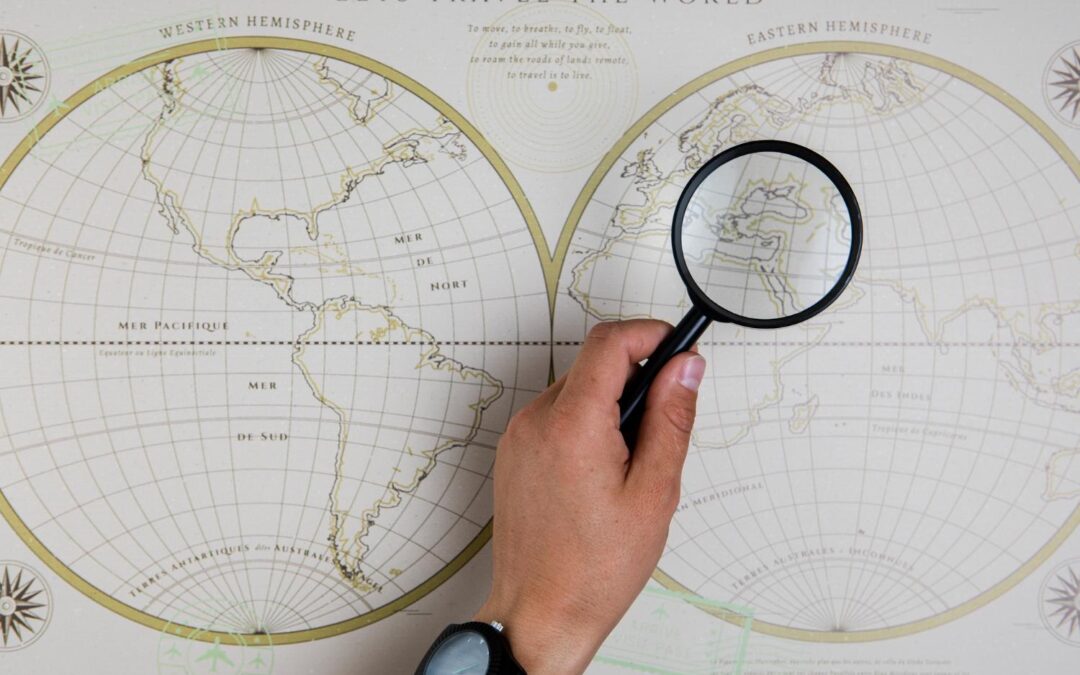
Nautical charts are not simply references for plotting a course, they are interpretive frameworks for risk assessment. Professional mariners use them to understand spatial relationships between dynamic maritime elements, such as traffic separation schemes, variable seabed profiles, and seasonal current shifts. Safe navigation today isn’t about avoiding static hazards; it’s about anticipating evolving conditions using high-resolution, layered chart data.
Why Visual Scale and Chart Type Matter?
Too often, navigators rely on a single chart scale or overlook the implications of using generalised data for detailed manoeuvring. Port approach, coastal, and oceanic charts serve entirely different functions. A failure to match chart scale with navigational context, such as relying on a small-scale chart for confined pilotage, can introduce dangerous blind spots, particularly in high-traffic or poorly lit regions.
Beyond Depths: Analysing Subsurface Complexity
While depth soundings may seem straightforward, they’re embedded with complexity. Seabed composition (e.g. clay, gravel, coral) affects anchor holding, sonar return, and even vessel stability in dynamic conditions. Advanced charts now often integrate sediment type and geomorphology, offering critical data for trawlers, survey vessels, and anchorage planning. Overlooking these layers can result in misinformed decisions, especially during emergencies.
Maritime Regulation and Chart Obligation
Compliance with SOLAS (Safety of Life at Sea) Chapter V mandates the carriage of up-to-date charts and publications. Yet many private operators neglect this legal responsibility, exposing themselves to liability and insurance exclusion in the event of incidents. Flag states increasingly enforce these obligations, with digital logs now tracking chart update activity and audit trails.
Accessing Nautical Charts Online
With the shift towards electronic navigation, accessibility has improved, yet not all sources are equal. Mariners must vet the provenance and update cycle of nautical charts online, as unofficial repositories can distribute outdated or unverified editions. Services like ENC (Electronic Navigational Charts) from hydrographic offices remain the gold standard for reliability.
The Human Element in Chart Interpretation
Charts don’t navigate ships, people do. Misinterpretation due to cognitive overload, fatigue, or poor watchkeeping discipline continues to cause groundings, even with ECDIS systems in place. High-quality training in chart interpretation, especially in integrating vector chart layers, is essential for mitigating this persistent risk.
A Foundation for Modern Seamanship
In the age of digital navigation, nautical charts remain foundational, not as static tools, but as evolving, data-rich instruments of maritime safety. When used actively and interpreted with technical insight, they empower seafarers to manage risk, comply with regulations, and protect both vessel and crew. Skilful chart use is not optional, it’s core seamanship.