
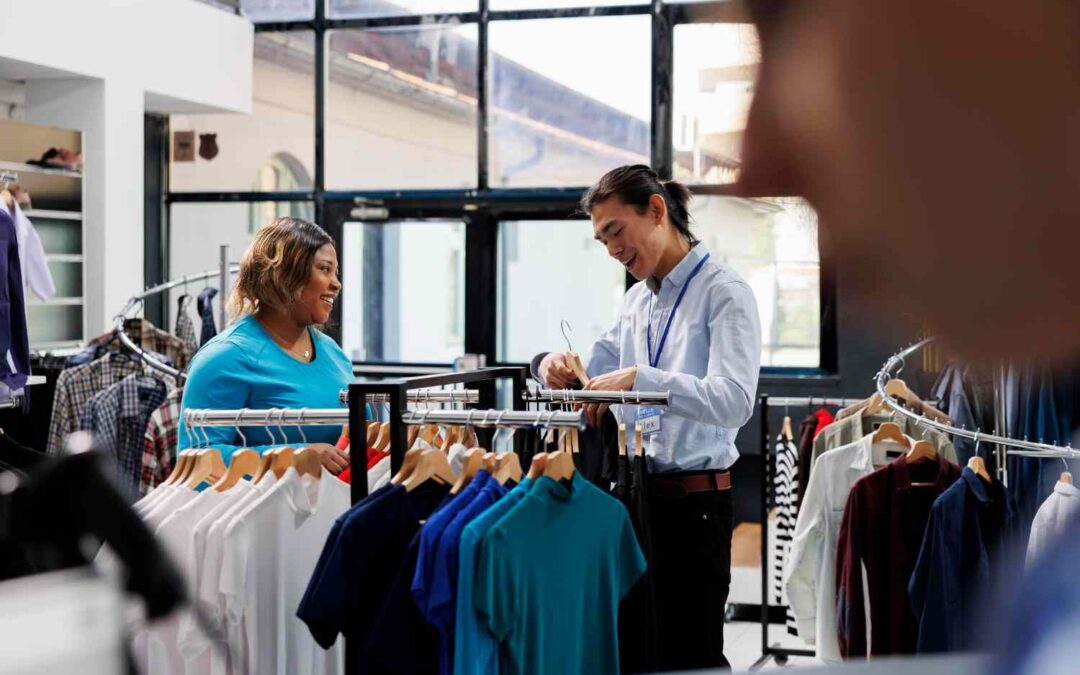
The way a store is designed has a direct effect on how customers shop. Layout, lighting, fixture placement, materials, and display strategy all influence whether a space feels easy to navigate and enjoyable to spend time in. For retailers, that makes retail store design a practical business tool as much as a visual one.
Good store design starts with flow. Customers should be able to enter the space, understand it quickly, and move through it without confusion. Clear entry points, open sightlines, and well-placed focal displays help create that sense of direction. When people feel comfortable in the environment, they are more likely to browse for longer and engage with more products.
Displays play a major role in that experience. They help retailers highlight new arrivals, seasonal ranges, featured products, and promotional campaigns. Effective displays do more than present stock neatly. They create context, suggest use, and encourage customers to imagine products as part of their own lives.
That is where custom display elements can add value. Shelving, fixtures, branded display units, and flexible merchandising systems help create a store environment that feels distinct to the retailer rather than generic. They also support consistency, which matters when the goal is to strengthen brand recognition across the space.
Atmosphere is another key consideration. Lighting can make a store feel warm and welcoming or sharp and high-energy. Material choices can change whether the space feels premium, practical, playful, or understated. Even subtle decisions around finish and tone influence how the brand is perceived.
Flexibility should not be overlooked. Retail spaces rarely stay static for long. Promotions change, stock rotates, and customer attention shifts. A strong retail store design allows for regular updates without requiring the whole environment to be rebuilt each time. Modular displays and adaptable fixture systems make it easier to keep the store looking fresh.
The best store environments also support storytelling. When products are arranged in a way that shows how they fit together or how they might be used, shoppers often connect with them more quickly. This is particularly useful in lifestyle-led retail, where context can be as persuasive as the product itself.
Retail store design works best when it combines practicality with identity. It should make the space easy to shop, easy to update, and easy to remember. When those elements come together, the store becomes more than a place to buy something. It becomes an environment people are more likely to return to.