If you’re running your business through spreadsheets, disconnected apps, and late-night manual reconciliations, growth will eventually break your systems.
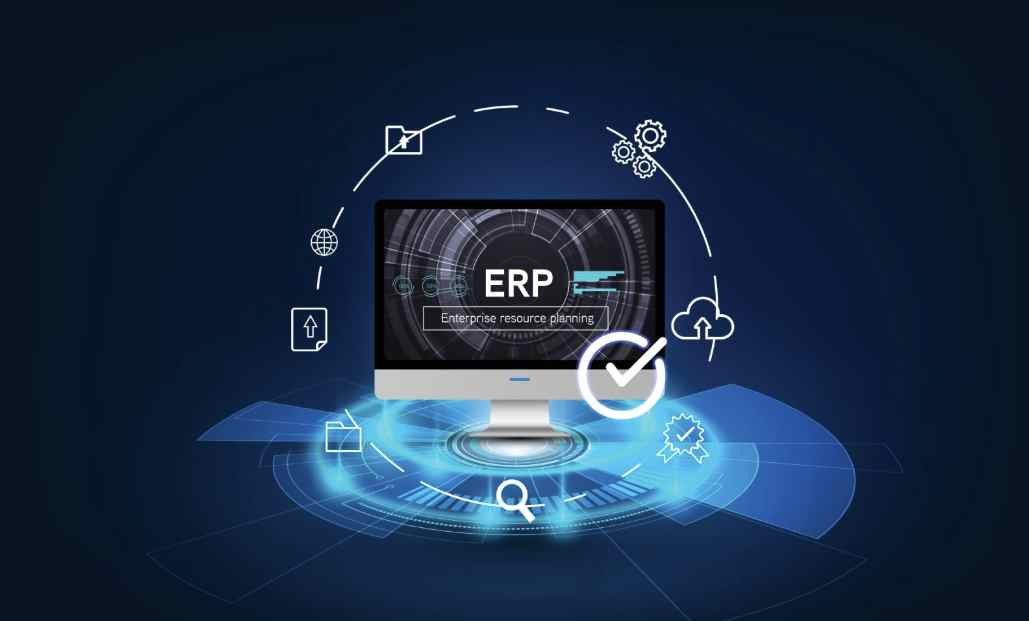
ERP software for small businesses centralizes your finance, inventory, sales, and operations into one connected platform so you can scale without losing control. It replaces fragmented tools with a single source of truth. When implemented correctly, it gives you visibility, accountability, and operational discipline three things most small businesses lack during growth phases.
I’ve worked with small companies that waited too long to implement ERP. Every single one said the same thing afterward: “We should have done this sooner.”
Why Do Small Businesses Actually Need ERP?
Most decision makers assume ERP is only for large enterprises. That’s outdated thinking. In my experience, small businesses feel the pain more intensely because they have fewer buffers. One inventory miscount can affect cash flow. One reporting delay can impact payroll planning. When systems don’t talk to each other, leadership loses visibility fast.
ERP eliminates that disconnect. It aligns your accounting, sales, procurement, and operations into one environment where data flows automatically. Instead of reacting to problems, you start anticipating them.
The biggest shift I see after implementation is this: owners stop chasing numbers and start making strategic decisions.
What Should You Look for in ERP Software for Small Business?
The mistake I see most often is overbuying. Decision makers get impressed by advanced automation features they won’t use for years.
Here is what actually works: prioritize simplicity, integration, and reporting clarity.
Your ERP must:
- Provide real-time financial visibility
- Track inventory or service delivery accurately
- Integrate smoothly with your CRM and payment systems
- Offer dashboards that non-technical leaders can understand
If it takes weeks to generate a basic performance report, the system is too complex for your stage.
Ease of use matters more than feature depth. Adoption drives ROI.
Cloud vs. Traditional ERP: What Makes Sense?
For most small businesses, cloud-based ERP is the practical choice. It reduces upfront infrastructure costs, allows remote access, and ensures updates happen automatically.
Traditional on-premise systems may offer deeper customization, but they require IT resources and long implementation cycles. In my experience, small teams benefit more from agility than heavy customization.
How Do You Avoid Implementation Failure?
ERP doesn’t fail because of bad software. It fails because of poor preparation. Start by cleaning your data. Remove duplicates. Fix inconsistencies. Standardize naming conventions. Dirty data is the fastest way to destroy trust in a new system.
Next, assign a single internal owner. When accountability is shared across too many people, progress slows. Finally, train your team by role. Sales, finance, and operations use ERP differently. Tailored training builds confidence and speeds adoption.
Final Thoughts: Is ERP Worth It for a Small Business?
If you plan to grow, yes. If you’re comfortable staying reactive, maybe not. ERP software for small business is not about looking sophisticated. It’s about building operational infrastructure that supports scaling. The earlier you implement structured systems, the less painful expansion becomes.
Growth without systems creates stress. Growth with the right ERP creates leverage. If you’re serious about scaling, the question is no longer whether you need ERP. It’s whether you’re ready to run your business with clarity instead of chaos.