
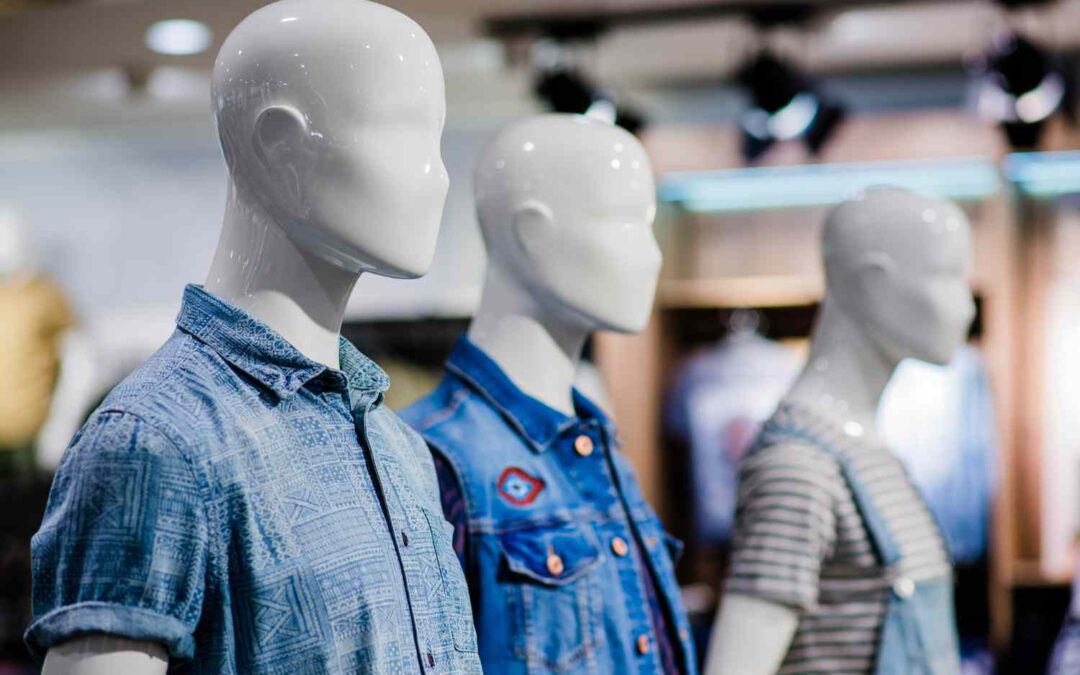
In fashion retail, presentation carries real weight. Before a shopper touches a garment or checks a price tag, they respond to what they see. The layout, lighting, styling, and display choices all shape that first impression. In menswear especially, male mannequins remain one of the most effective tools for creating a display that feels polished, aspirational, and easy to understand.
One reason mannequins work so well is that they show clothing in context. A shirt on a hanger can look flat and disconnected. The same shirt styled with trousers, outerwear, and footwear on a mannequin immediately feels more complete. It helps customers understand proportion, layering, fit, and how separate items can work together as an outfit.
This is particularly useful in window displays. The window often acts as the first introduction to the store, and it has only a few seconds to catch attention. A well-dressed male mannequin can communicate a lot about the brand straight away. It can suggest whether the store leans formal, casual, contemporary, premium, or trend-led. That immediate visual signal can be enough to bring someone inside.
Inside the shop, mannequins continue doing important work. They help guide the eye towards featured products, new arrivals, seasonal collections, or styling combinations the retailer wants to promote. They can also support cross-selling by showing how multiple items belong together rather than leaving shoppers to piece the look together on their own.
Quality matters here. Retail mannequins are handled regularly, moved between displays, and re-dressed often. Strong materials such as fibreglass are popular because they offer durability without becoming too heavy to work with. Good construction also helps garments sit properly, which matters more than many retailers realise. If the form is poor, the clothes rarely look their best.
Pose and finish also affect the final result. A static mannequin can serve a purpose, but a more natural stance often gives the display more energy. Even subtle posture changes can make menswear look sharper, more wearable, and more interesting from a distance.
Ultimately, mannequins do more than hold stock. They help shape how the store is perceived and how easily customers connect with the product. In a competitive retail environment, that matters. Male mannequins give menswear retailers a straightforward way to improve visual merchandising, strengthen styling communication, and create displays that encourage shoppers to stop, look, and engage.