
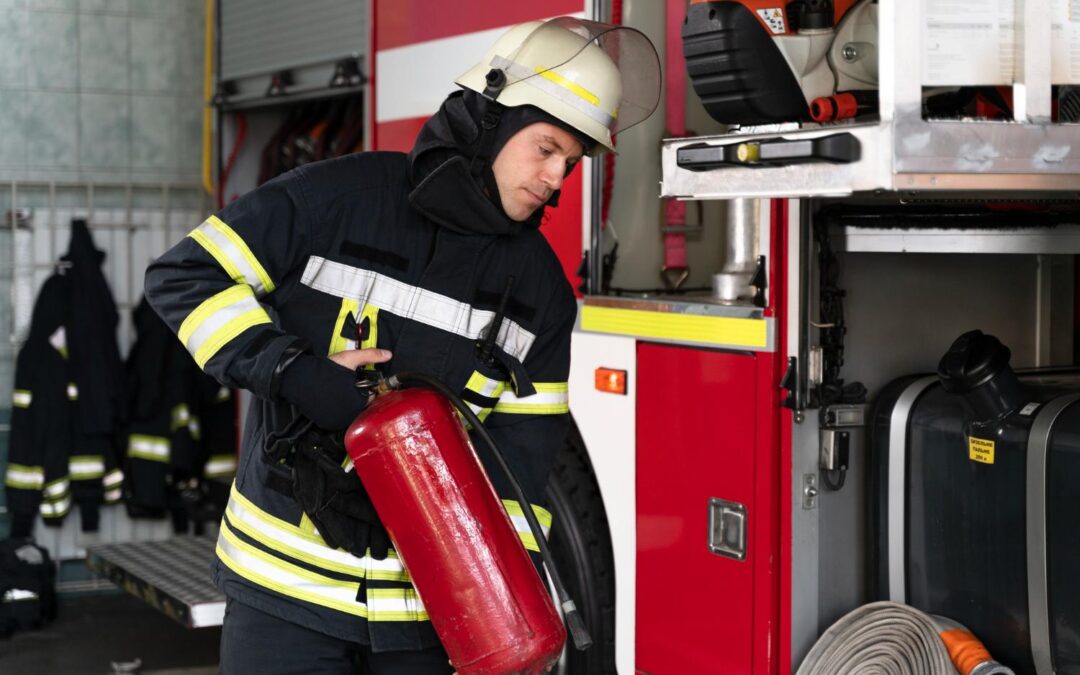
Fire safety education is one of the most effective tools for preventing emergencies at home and in the workplace. Understanding the risks, proper prevention measures, and emergency response procedures can save lives, reduce property damage, and minimize disruption.
St. George Fire Protection emphasizes that knowledge and preparation are just as important as having the right fire protection equipment.
1. Raising Awareness of Fire Hazards
The first step in fire safety education is awareness. Many fire emergencies are caused by common hazards such as:
- Faulty electrical wiring or overloaded circuits
- Unattended cooking appliances
- Improper storage of flammable materials
- Careless use of candles, heaters, or smoking materials
By educating households and employees about these risks, incidents can be prevented before they start.
2. Teaching Proper Fire Prevention Practices
Education equips individuals with practical strategies to reduce fire risk, including:
- Regularly checking smoke detectors and replacing batteries
- Ensuring fire extinguishers are accessible and operational
- Maintaining clear exit routes and emergency exits
- Safe handling and storage of flammable substances
St. George Fire Protection District provides guidance and resources to help residents and businesses implement these practices effectively.
3. Promoting Emergency Preparedness
Knowing what to do during a fire can save lives. Fire safety education teaches:
- How to evacuate safely and quickly
- Designating meeting points for families or teams
- Using fire extinguishers correctly for small fires
- Recognizing smoke and fire alarms immediately
Preparedness ensures that individuals can respond confidently, reducing panic and preventing injuries.
4. Reducing Response Time
Education emphasizes the importance of immediate action. Individuals trained in fire safety:
- Recognize emergencies faster
- Make informed decisions about evacuation or suppression
- Minimize delays in alerting emergency services
This rapid response can prevent a small fire from turning into a major incident.
5. Workplace Safety and Compliance
In workplaces, fire safety education is essential for meeting legal requirements and protecting employees. It includes:
- Training employees on proper use of fire safety equipment
- Conducting regular fire drills and evacuation exercises
- Identifying fire hazards specific to machinery, chemicals, or office layouts
- Understanding emergency response protocols and reporting procedures
Organizations that prioritize education experience fewer incidents and maintain safer work environments.
6. Building a Culture of Fire Safety
Fire safety education fosters a culture where safety is prioritized daily. Benefits include:
- Employees and residents actively preventing hazards
- Increased awareness of maintenance needs, such as checking wiring or extinguishers
- Encouragement to share fire safety knowledge with others
A culture of safety creates an environment where accidents are less likely and everyone contributes to risk reduction.
7. Protecting Property and Reducing Financial Loss
Fires can cause extensive damage to homes and businesses, often resulting in costly repairs and insurance claims. Education helps prevent emergencies, which in turn:
- Reduces damage to structures and belongings
- Minimizes business interruption
- Lowers insurance premiums for proactive risk management
Investing in fire safety education is both a protective and cost-effective strategy.
- Enhancing Community Resilience
When communities are educated about fire safety:
- Neighborhoods respond more effectively to emergencies
- Residents support each other during evacuations or fire events
- Local fire services can allocate resources efficiently, focusing on critical areas
Community-wide education programs, supported by St. George Fire Protection District, strengthen overall public safety and preparedness.
9. Lifelong Benefits of Fire Safety Knowledge
The lessons learned through fire safety education are not limited to a single event—they promote lifelong awareness and responsible behavior. Individuals equipped with knowledge:
- Maintain safe habits at home and work
- Teach fire safety practices to children and peers
- Contribute to long-term reductions in fire incidents
Knowledge becomes a lasting tool to protect lives and property.
Conclusion
Fire safety education is a powerful method for preventing emergencies, reducing injuries, and safeguarding property. By increasing awareness, promoting prevention practices, and teaching proper emergency response, individuals and organizations can minimize the impact of fires.
St. George Fire Protection underscores that education is the foundation of effective fire safety. When homes, workplaces, and communities prioritize knowledge and preparedness, the risks associated with fires decrease dramatically, creating safer environments for everyone.