
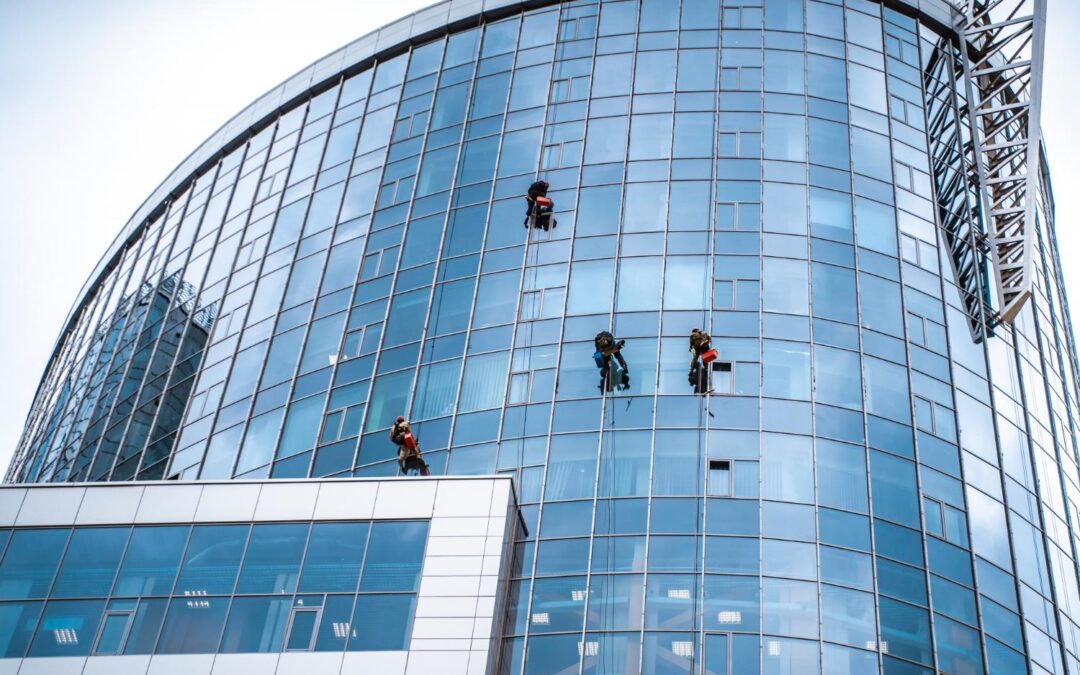
Working on tall buildings isn’t for the faint of heart — or the unprepared. From cleaning windows to installing facades or performing inspections, the risks of working at height are real. That’s why industries rely on professional high rise rope access techniques alongside protective measures like safety netting. Together, they don’t just make the work possible — they make it safe, efficient, and compliant with strict workplace standards.
What High Rise Rope Access Really Means
When you hear “rope access,” you might picture a climber dangling from a cliff. That’s not far off — but in high-rise work, it’s precision-engineered for safety and efficiency. High rise rope access involves:
- Certified operators trained in advanced rope techniques
- Use of harnesses, ropes, and specialized equipment
- Controlled descent and ascent to access difficult-to-reach areas
- Minimal disruption to building occupants and operations
The key is skill. Rope access isn’t just about dangling — it’s about working securely and confidently in places others can’t reach.
Safety Netting: The Essential Backup
Even the most experienced rope access technician can benefit from additional safeguards. That’s where safety netting comes in. Think of it as a protective layer between the worker and the ground:
- Catches falling tools or debris before they hit pedestrians or property
- Acts as a backup if a rope system or harness fails
- Provides peace of mind for workers and clients alike
Safety netting isn’t decorative — it’s a critical part of a comprehensive risk management plan for high-rise work.
Why Both Are Critical
Some companies assume that rope access alone is enough. In reality, combining high rise rope access with safety netting addresses risks on two levels:
- Worker Safety: The ropes and harnesses protect the person directly.
- Environmental Safety: The netting protects people and property below.
This dual-layer approach ensures that even if something goes wrong, the impact is contained, reducing injury and liability.
Practical Tips for Implementation
- Always verify that rope access technicians are certified and trained.
- Inspect all ropes, harnesses, and anchor points regularly.
- Ensure safety netting is installed according to building codes and manufacturer guidelines.
- Conduct risk assessments before each project to account for wind, weather, and work conditions.
Even small oversights can increase risk significantly at high altitudes, so diligence is key.
Beyond Safety: Efficiency and Confidence
When workers trust their equipment, work gets done faster and more accurately. Professionals using high rise rope access with safety netting can focus on the task instead of worrying about what happens if something goes wrong. That translates to:
- Fewer delays
- Reduced downtime
- Higher quality work
It’s not just about staying safe — it’s about making high-rise projects smoother for everyone involved.
Final Thoughts
Height always brings risk, but the right combination of high rise rope access and safety netting turns it into manageable, controlled work. These systems don’t just protect people — they protect property, reputation, and deadlines.
In other words, when you invest in proper rope access and netting, you’re investing in confidence, precision, and safety — from top to bottom.
Working high doesn’t have to be dangerous, but only when it’s done the right way.