When disaster strikes, the first few hours are the most critical. While professional emergency services do incredible work, they can often be stretched thin during large-scale events. This is where community-led initiatives become literal lifesavers.
Taking inspiration from organized grassroots movements like Cajun Navy 2016, local neighborhoods can transform from passive bystanders into proactive responders. Here is a guide on how your community group can build a structured, effective disaster response team.
1. Identify Your Mission and Scope
Before buying gear, define what your team will actually do. Will you focus on high-water rescues, chainsaw crews for debris removal, or wellness checks for the elderly?
- Keep it realistic: Start small. It is better to do one thing safely than three things dangerously.
- Know your geography: Tailor your mission to your local risks (floods, wildfires, or snowstorms).
2. Recruitment and Role Assignment
A response team is only as strong as its members. You don’t just need “boots on the ground”; you need “brains in the back office.”
- Field Responders: Those with physical stamina and specialized skills (boating, first aid).
- Dispatchers: Calm communicators who can manage incoming requests and coordinate teams.
- Logistics: People to manage supplies, food, and equipment maintenance.
3. Get Professional Training
Passion is the engine, but training is the steering wheel. To operate safely, your group should seek out established certifications.
- CERT (Community Emergency Response Team): Many local fire departments offer this training.
- First Aid/CPR: Ensure every member is certified through the Red Cross or similar organizations.
- Learn from the Pros: Study the operational models of seasoned groups like Cajunnavy2016 to understand how they handle high-stress communication and fleet management during a crisis.
4. Establish a Communication Protocol
In a disaster, cell towers often fail or become overloaded. Your team needs a “Plan B” for staying in touch.
- Zello or WhatsApp: Great for initial coordination while data is available.
- GMRS/Ham Radio: Essential for when the grid goes down.
- Vetting Information: Create a system to verify “calls for help” on social media to ensure rescuers aren’t sent into unnecessary danger.
5. Build Your “Go-Bag” and Equipment Cache
While individual members should have personal protective equipment (PPE), the group should pool resources for shared gear:
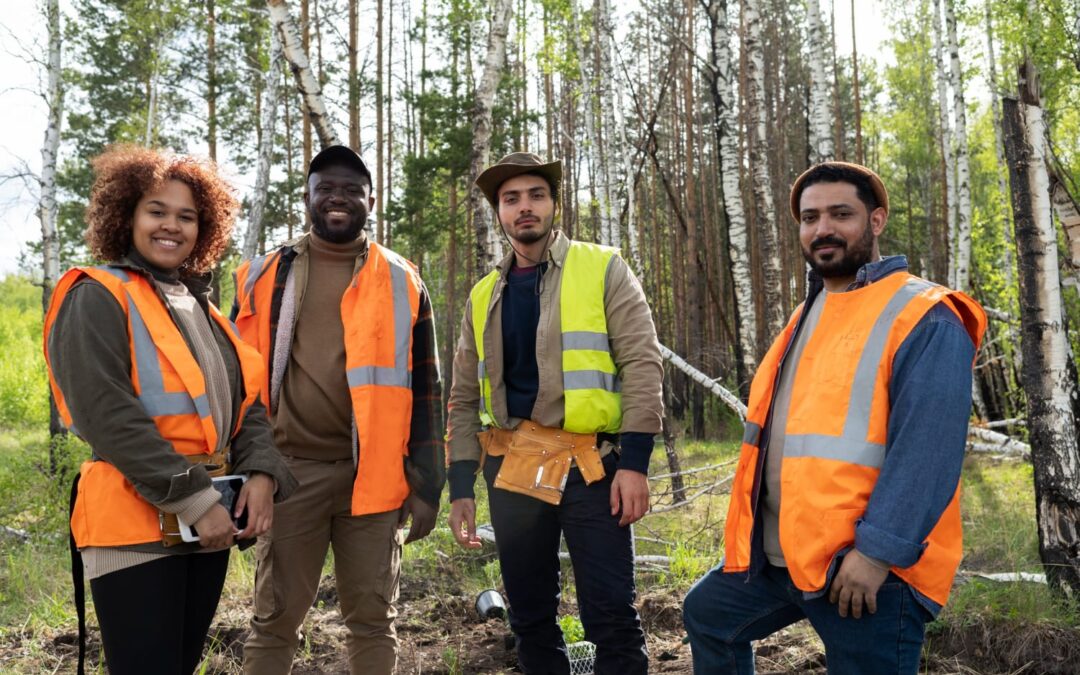
- Safety Gear: Life jackets, high-visibility vests, and industrial-grade gloves.
- Tools: Chainsaws, heavy-duty tow straps, and portable lighting.
- The “Digital Toolkit”: Shared spreadsheets or mapping software to track rescue progress.
6. Coordinate with Local Authorities
A rogue rescue team can accidentally hinder professional efforts. Introduce your group to the local Emergency Management Director or Fire Chief before a storm hits. Explain that you are there to support their efforts, not replace them. Following the lead of established organizations like Cajunnavy2016, maintain a “neighbor helping neighbor” philosophy that respects official cordons and safety mandates.
Summary Table: Initial Setup Checklist
| Phase | Action Item | Goal |
| Foundation | Define Mission | Focus resources on specific needs. |
| People | Skills Audit | Match members to the right roles. |
| Safety | CERT Training | Ensure no one becomes a victim themselves. |
| Tech | Comms Plan | Maintain contact when the grid fails. |
Final Thoughts
Starting a local disaster response team is a profound act of civic duty. It requires discipline, humility, and a lot of heart. By organizing now, you ensure that when the clouds gather, your community isn’t just waiting for help—it is the help.