
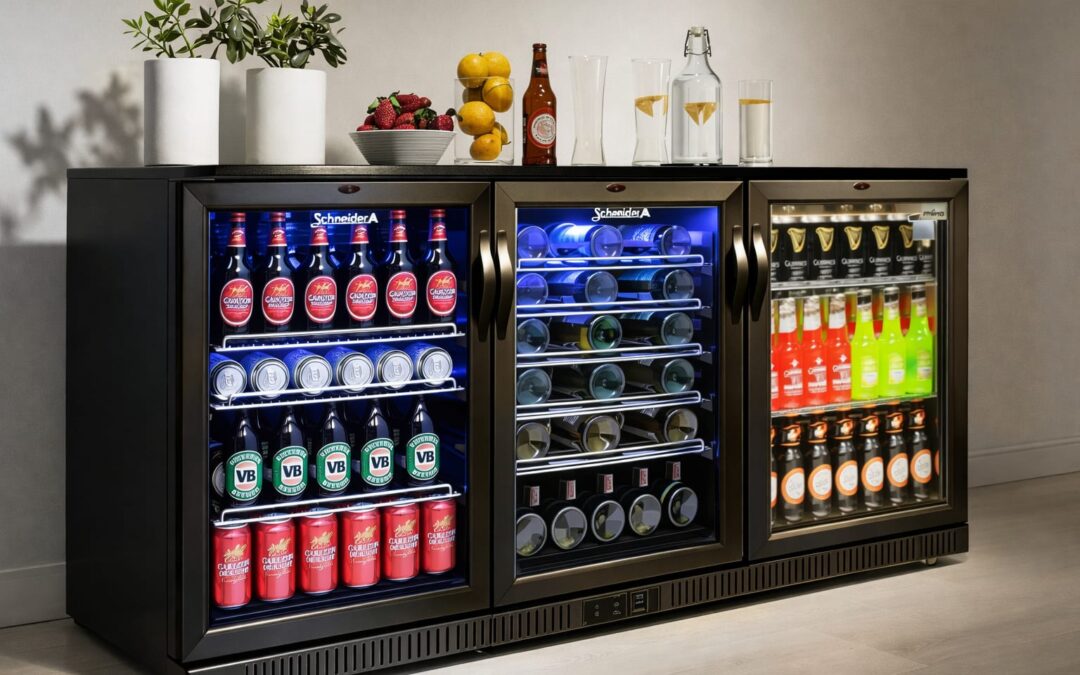
Bar fridges seem straightforward—a box that keeps drinks cold, job done. Then you’re three months in, and it’s not holding temperature, the door seal’s already stuffed, or it’s so loud that customers complain. Picking the right under counter bar fridge means looking past the price tag at features that actually matter for daily commercial use, not just what looks alright in the catalogue.
Temperature Stability, Not Just Coldness
Cheap fridges fluctuate wildly—cold, warm, cold again. Commercial operations need consistent temperatures between 2-4°C regardless of how often doors open or how hot the room gets. Check reviews specifically mentioning temperature consistency. Digital thermostats with proper controllers beat basic mechanical ones that drift constantly.
Build Quality Shows Fast
Stainless steel construction lasts in commercial environments. Painted finishes chip and rust within months behind busy bars. Proper commercial-grade fridges use thicker materials that survive constant knocks, spills, and general abuse. Domestic-style fridges marketed as commercial fall apart under actual bar conditions.
Door Seals Make or Break Efficiency
Dodgy seals leak cold air, making compressors work overtime and bills climb. Quality fridges use robust magnetic seals that actually seal properly. Cheap ones gap, tear, or lose magnetism fast. Replace seals regularly on quality fridges; on cheap ones, the whole unit’s often stuffed before seals wear out.
Shelving Needs to Be Adjustable and Strong
Fixed shelving that doesn’t fit bottle heights wastes space. Adjustable wire shelving maximises capacity for different products. Cheap thin wire bends under weight; proper commercial shelving handles fully loaded fridges without sagging.
Compressor Location and Access
Side-mounted compressors allow benchtop workspace above. Rear-mounted ones need clearance behind. Under-mounted compressors get kicked and damaged. Check compressor placement to suit your actual space. Also, verify that accessing compressors for servicing doesn’t require moving everything.
Energy Efficiency Affects Running Costs
Commercial fridges run 24/7. Energy ratings matter over the years of operation. Higher-efficiency models cost more upfront but save hundreds annually in electricity. Multiply savings across multiple units, and payback happens faster than expected.
Noise Levels Vary Dramatically
Some fridges hum quietly; others sound like jet engines. In quiet venues or small spaces, noise becomes seriously annoying for staff and customers. Check decibel ratings if available, or read reviews mentioning noise specifically.
Internal Lighting Helps Visibility
LED interior lighting makes finding products easier during busy service without leaving doors open to search. Seems minor until working in dim bar lighting, trying to find specific bottles quickly.
Lockable Doors Prevent Theft
Staff areas or accessible locations need lockable fridges. Locks prevent theft from staff, contractors, or customers who wander. Not every fridge needs this, but high-theft environments definitely do.
Consider Display Needs
If customers see the fridge, glass-door display fridges work better for merchandising whilst keeping products cold. Solid doors suit back-of-house storage where visibility doesn’t matter.
Choosing the right under counter bar fridge means matching features to actual operational needs instead of just buying the cheapest option. Quality commercial fridges cost more but survive years of hard use. Cheap ones seem like bargains until they’re being replaced every eighteen months, whilst better models are still running strong.