
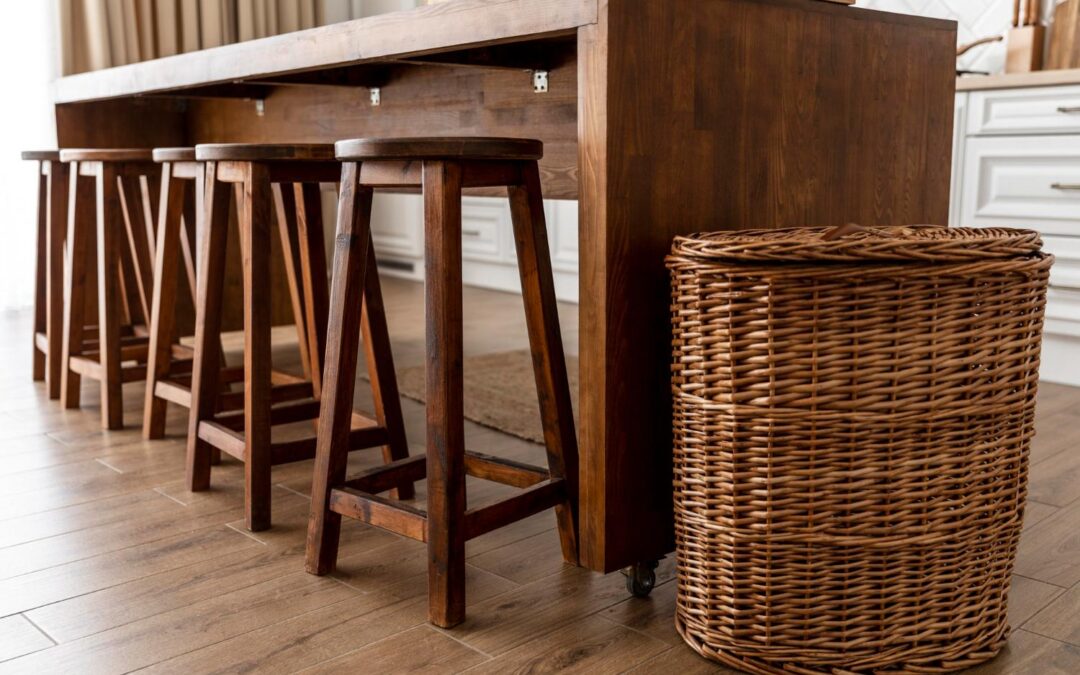
In Stamford, where historic Georgian architecture blends with modern renovation, a dining table isn’t just furniture; it’s a statement of lifestyle. Choosing walnut dining tables in Stamford signals an appreciation for craftsmanship, rarity, and permanence. Walnut isn’t mass-market; it’s a hardwood often reserved for heirloom-grade pieces. Its scarcity, particularly in wide slabs suitable for dining tables, makes it one of the most premium timbers on the market.
Depth That Can’t Be Duplicated
Unlike oak or ash, walnut doesn’t need stains to impress. Its natural depth ranges from chocolate and coffee tones to aubergine streaks, colours that evolve subtly in different lighting. This complexity gives interior designers more to play with, especially in spaces with mood lighting or open-plan designs. No veneer or composite material can authentically replicate this richness.
Grain Patterns that Tell a Story
There’s a growing trend in Stamford towards visible natural grain—embracing knots, swirls, and even live edges. Walnut excels in this area. Each slab carries a fingerprint of the tree’s life cycle, droughts, and seasonal changes. It’s not just visual—it’s narrative. For clients investing in designer-led homes, this authenticity matters more than machine-perfect finishes.
Silent Luxury: Understated but Impactful
Luxury in 2025 has shifted. It’s no longer about glossy surfaces—it’s about tactile textures and meaningful presence. Walnut embodies “quiet luxury”: it doesn’t scream for attention, but anyone with a trained eye recognises it instantly. A slab of American black walnut, hand-finished in oil, communicates refined taste far louder than branding or mass-market status symbols.
The Sustainability Factor of Slow Design
As interest in sustainable furniture grows, walnut’s longevity gives it an edge. A well-finished walnut table can outlive trends and even property ownership. Clients in Stamford are moving away from disposable décor and towards investment pieces, especially those that can be refinished or passed down.
Tactile Warmth in Open-Plan Living
Walnut’s softness in tone and touch makes it ideal for modern open-plan kitchens and dining zones. It warms up the cooler elements such as steel, glass, and concrete, often found in Stamford’s contemporary renovations. Interior architects often use walnut to create visual zones without physical barriers.
Custom Craftsmanship That Adds Value
Commissioning a walnut table through a reputable studio doesn’t just create furniture; it adds resale appeal. Bespoke pieces made by known local makers have a traceable provenance, which increasingly appeals to high-end buyers in Stamford’s competitive property market.
A walnut dining table is more than an object; it’s a declaration of enduring style, integrity, and attention to detail. It’s where design meets legacy.
And, if your dining space deserves the richness of handcrafted luxury, look no further than Fairmont Reed.
Explore the collection today and find a table that reflects your vision.